Environment

Protecting ecosystems, managing impacts and driving climate resilience.

Environmental Stewardship

We embed environmental responsibility into our daily decisions and operations—driven by a commitment to protect ecosystems, reduce impacts, and contribute to a more sustainable future.

We aim to meet stakeholder expectations and care for the environment through the lithium products we produce. Our approach is guided by the commitments outlined in our Environmental Policy and Climate Change Policy, both housed on our Governance page.

Responsible Water Stewardship

It is our goal to optimize water usage and reduce our overall reliance on fresh groundwater.

Climate Change

Through the activities we undertake, we seek to create a better world for future generations.

Biodiversity

We apply the mitigation hierarchy to support the Convention on Biological Diversity to ensure biodiversity is conserved, used sustainably and restored/offset when impacted by our operations.

Tailings, Waste and Circular Economy

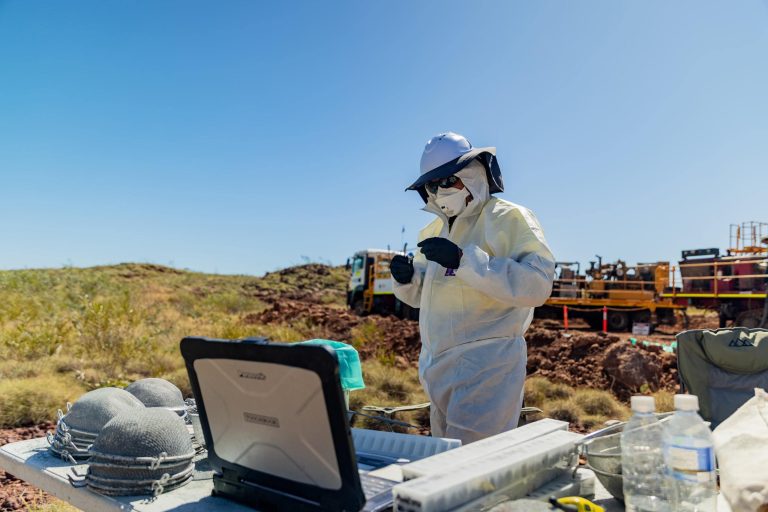
We manage waste responsibly to eliminate or minimise risks to human health, safety, the environment and communities.

ESG Leadership

Our ESG commitments extend beyond our own operations to include our joint venture partners, contractors, and suppliers.

Through our Sustainable Procurement Policy, we aim to:

  • Integrate carbon abatement, energy efficiency, waste minimisation, and water efficiency into relevant contracts.
  • Require selected suppliers to measure, monitor, mitigate, and report greenhouse gas emissions related to their scope of work, as requested by SQM International Lithium.
  • This policy is supported by our Supplier Code of Conduct, reinforcing our expectations for responsible and ethical practices across our supply chain.

    Responsible Water Stewardship

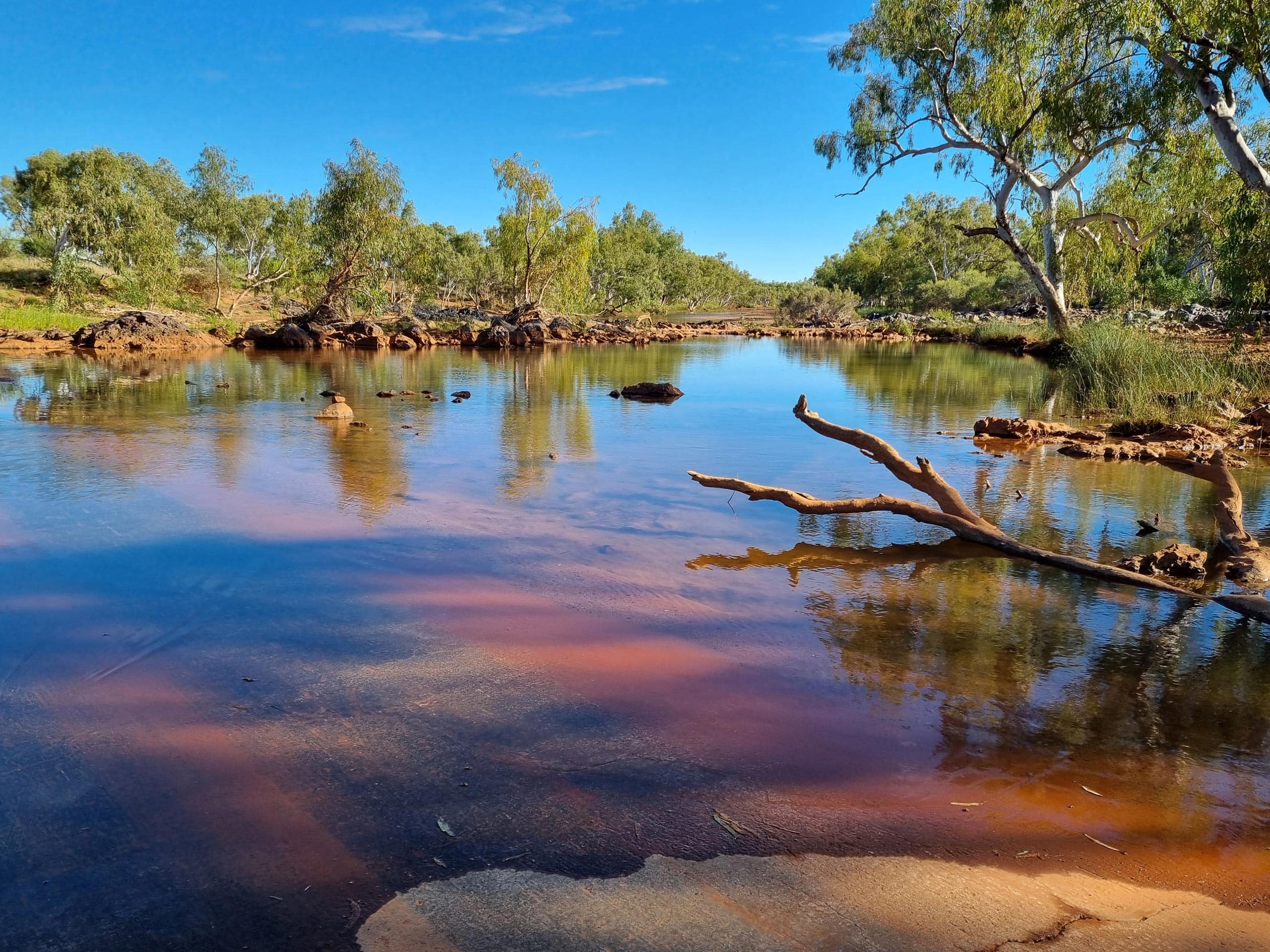
    We recognise the growing challenges of climate change, including the risk of water scarcity in regions where we operate. In response, we are committed to optimising water use and reducing our reliance on fresh groundwater across our lithium extraction and processing activities.

    We actively implement water efficiency and reuse programs, and monitor water usage and groundwater-dependent ecosystems to ensure responsible management of this critical resource.

    Our approach is guided by the principles of the Global Water Stewardship Standard, and reflects our commitment to protecting water for both current and future generations.

    Climate Change

    Lithium hydroxide is a critical component in battery technologies that enable electromobility and the storage of renewable energy—two pillars of the global transition to a low-carbon future.

    Transport contributes approximately 23% of global energy-related greenhouse gas emissions. The shift to electric vehicles is essential to achieving the goals of the Paris Agreement, which aims to limit global warming to well below 2°C. To meet this target, zero-emission vehicles must account for at least two-thirds of new car sales globally by 2030, and nearly all by 2035.

    According to the International Energy Agency (2025), lithium demand is expected to grow from 1 TWh in 2024 to up to 4.7 TWh by 2030. Supplying 4 TWh of lithium-ion batteries will require approximately 3.2 million tonnes of lithium hydroxide monohydrate. We are focused on scaling our supply to meet this demand and contribute to a more sustainable future.

    Our carbon footprint

    Each of our assets has a unique carbon footprint, shaped by its location and operational activity. The extraction of lithium from hard rock (spodumene) and its conversion into lithium hydroxide involves material greenhouse gas emissions.
    Through innovation, research, and continual improvement, our first operating spodumene asset—the Mt Holland Lithium Project —has achieved one of the lowest carbon footprints per tonne of lithium hydroxide globally, at 10 tonnes of CO₂ equivalent per tonne of product. This achievement is validated by our Life Cycle Assessment, which has received the ILiA verified PCF stamp.
    SQMi is the first lithium producer globally to be awarded ILiA’s new Verified Product Carbon Footprint stamps for both spodumene concentrate and lithium hydroxide monohydrate, positioning our lithium products competitively when assessed by carbon footprint. ILiA developed the PCF stamps in response to increasing demand from regulators and the automotive industry for reliable emissions data across raw materials used in EV batteries.

    We are committed to measuring and monitoring emissions, and working towards net zero by 2050.

    Our strategy includes:

  • Supporting increased renewable energy in the grid.
  • Improving operational efficiency through circularity of energy, water, and waste.
  • Advancing electrification through our Electric Era venture capital area.
  • We continue to explore next steps in decarbonisation through R&D, partner collaboration, venture investment, and ongoing innovation monitoring.
    Our approach is guided by our Climate Change Policy.

    Biodiversity

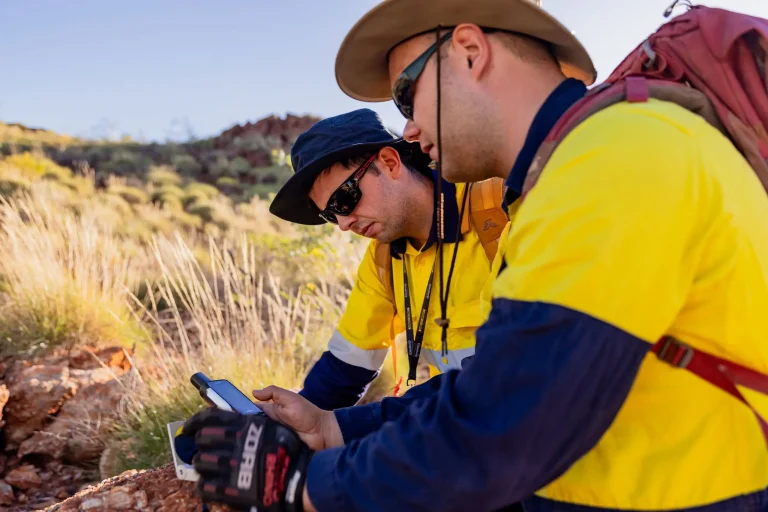
    We are committed to protecting biodiversity through careful planning, assessment, and ongoing monitoring across our operations.
    Biodiversity surveys and assessments are conducted as part of a comprehensive Environmental and Social Impact Assessment (ESIA) process, in consultation with key stakeholders. We apply a mitigation hierarchy—avoid, minimise, mitigate, rehabilitate, and offset—to guide decision-making and reduce impacts at our extraction and processing facilities.
    Our operating assets are located in Australia, where environmental impact assessments are regulated under national and state legislation. Sites with high conservation values are identified and monitored, and we maintain transparent reporting against environmental compliance requirements at Covalent Lithium.

    Our Commitment

    Australia is recognised as one of the world’s 17 ‘megadiverse’ countries, home to around 70% of global biodiversity across less than 10% of the Earth’s land area.

    We support the goals of the Kunming-Montreal Global Biodiversity Framework, adopted at COP15 in 2022 under the Convention on Biological Diversity (CBD). This framework sets out a global vision for 2050:
    “Biodiversity is valued, conserved, restored and wisely used, maintaining ecosystem services, sustaining a healthy planet and delivering benefits essential for all people.”
    SQMi is proud to contribute to this vision through our operations and partnerships.

    Sustainable development is built into everything we do —from resource efficiency to responsible stewardship.

    Tailings, Waste and Circular Economy

    We manage waste responsibly to minimise risks to people, the environment, and surrounding communities—guided by our commitment to sustainability and continuous improvement.

    Tailings Management

    Tailings are generated through spodumene concentration and processing. We require all tailings storage facilities (TSFs) to be designed and managed in line with Australian regulatory standards. The TSFs for the operations we have ownership in are engineered to enable water recovery and reuse at the concentrator, supporting our broader water stewardship goals.

    Circular Economy in Action

    We apply circular economy principles across our operations where possible —not only as good practice, but as a reflection of our core values.

    Through collaboration with research and industry partners, we have explored alternative uses for processing by-products such as Delithiated Beta Spodumene (DBS), which shows potential as a road base or cement additive, and are working towards the sale of another waste stream for reuse, i.e. anhydrous sodium sulphate ( SSA).

    Our Research and Development team leads innovative programs that apply circularity across energy, water, and waste systems, as well as in our value chain. This includes our joint venture with Altilium, focused on lithium recycling and closing the loop in the battery value chain.

    Discover SQMi